The science behind tracking, aiming and reacting, and what the evidence does and does not support.

Eye exercises are everywhere online. Here is what they can train, what they cannot change, and where real treatment exists.
Oct 2026
How your eyes glide after a moving object, why they cannot glide without one, and what practice can and cannot change.
Oct 2026
What the number on screen includes, why it changes from device to device, and how to read your own results.
Oct 2026
A good flick has three parts: noticing the target, moving to it and stopping on it. Most misses happen in the last part.
Oct 2026
Moving from one target to the next costs time even when they are close. Most of that time is in your head, not your hand.
Oct 2026
The hardest part of a decision drill is the shot you don't take. Here is what stopping a movement asks of your brain.
Oct 2026
The edges of your screen are not the edges of your vision. What a screen test measures, and how to keep results fair.
Oct 2026
You will get better at the task. Whether that reaches anything else is a separate question, and the answer matters.
Oct 2026
A short routine to get your eyes and hands ready before you play: what to do, in what order, and what a warm-up can and cannot do.
Oct 2026Neuro Lab is 16 free browser tests of memory, attention, timing and planning. Here is where each idea comes from, what a score means, and what it cannot tell you.
Oct 2026
A short glide-and-jump routine for your eyes before training. Here is what it actually does, and the claims it does not make.
Oct 2026
Why most people land around a quarter of a second, why we use the median, and what practice can realistically change.
Oct 2026
Copying a beat looks easy until you try it. What timing tasks measure, and why most people tap a little early.
Oct 2026
Why small, far targets take longer to hit, and what a click-the-target test really measures.
Oct 2026
The classic multiple object tracking task, why most people top out around four, and what the evidence says about training it.
Oct 2026
Why finding numbers in order is harder than it looks, and what a Schulte table actually measures.
Oct 2026
A memory test that uses places instead of words. Where it comes from and what a typical span looks like.
Oct 2026
From "seven plus or minus two" to chunking: what a digit span test measures and why phone numbers come in groups.
Oct 2026
Why remembering a pattern is a different skill from remembering an order, and what the research says.
Oct 2026
A young chimp called Ayumu once beat university students at this task. What the study showed, and what it did not.
Oct 2026
Why recognising is easier than recalling, and why look-alike shapes trip you up.
Oct 2026
Why more choices mean slower answers, and how a falling-arrow test measures it.
Oct 2026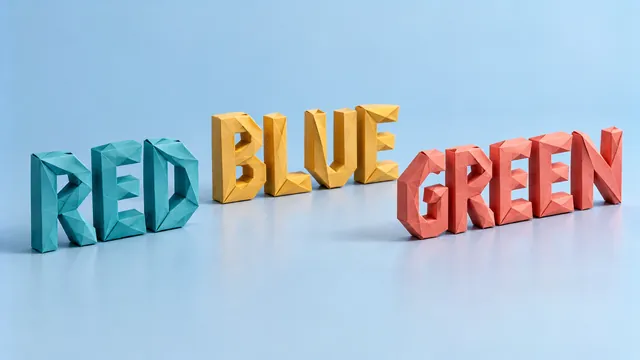
Why naming the ink colour of the word RED printed in blue is so hard, and what it says about attention.
Oct 2026
Why thinking before you move beats moving fast, and where this classic planning puzzle comes from.
Oct 2026
What the letters stand for, the trap most people fall into, and why mental maths tests working memory.
Oct 2026
Why quizzing yourself beats rereading, and the flags that fool almost everyone.
Oct 2026